BPC-157 + TB-500 + KPV + GHK-Cu Combination Protocol
The KLOW Stack is BRAVO1's most comprehensive recovery protocol — four peptides working in concert to address tissue repair, structural remodeling, systemic and gut inflammation, collagen synthesis, and cellular regeneration. Built for those who demand optimal recovery at every biological level.
Physician review required · Ships in 48h after approval · All 50 states
The KLOW Stack is BRAVO1's four-peptide optimal recovery protocol: BPC-157, TB-500, KPV, and GHK-Cu. Each peptide addresses a distinct biological layer of recovery — vascular repair, structural remodeling, inflammation resolution, and regenerative rebuilding — making this the most complete recovery stack in the BRAVO1 lineup.
KPV (Lysine-Proline-Valine) is the key differentiator from other BRAVO1 stacks. Derived from alpha-MSH, KPV is a potent anti-inflammatory tripeptide that works through NF-κB pathway suppression to reduce systemic and gut inflammation — the biological noise that slows every phase of recovery. By adding KPV alongside BPC-157 and TB-500's repair mechanisms and GHK-Cu's regenerative effects, the KLOW Stack addresses recovery at its foundational bottleneck: the inflammatory environment that impedes healing.
The name reflects the protocol's core action: clearing the inflammatory environment (K for KPV's anti-inflammatory core) so that deep, low-noise healing can proceed at full biological capacity.
BPC-157 promotes tissue healing through growth hormone receptor upregulation, angiogenesis, and growth factor signaling. It is particularly effective for tendon, ligament, muscle, and gut repair — restoring blood supply to injured tissue and amplifying the body's own repair cascade. BPC-157's gut healing properties also work synergistically with KPV's anti-inflammatory action at the mucosal level.
TB-500 drives the structural phase of tissue repair through actin regulation — the cytoskeletal protein that powers cell movement and wound closure. By accelerating cell migration to injury sites and reducing local inflammation, TB-500 bridges the vascular repair initiated by BPC-157 to the remodeling and rebuilding phase. Particularly studied for muscle, tendon, and cardiac repair.
KPV is a naturally occurring tripeptide derived from the C-terminus of alpha-melanocyte-stimulating hormone (α-MSH). It suppresses the NF-κB inflammatory signaling pathway — a master regulator of systemic inflammation — and has been extensively studied for gut inflammation (IBD, Crohn's disease), wound healing, and immune modulation. In the KLOW Stack, KPV clears the inflammatory environment that inhibits tissue repair, allowing BPC-157 and TB-500 to work more effectively and supporting recovery at the cellular level. Individual results may vary from person to person.
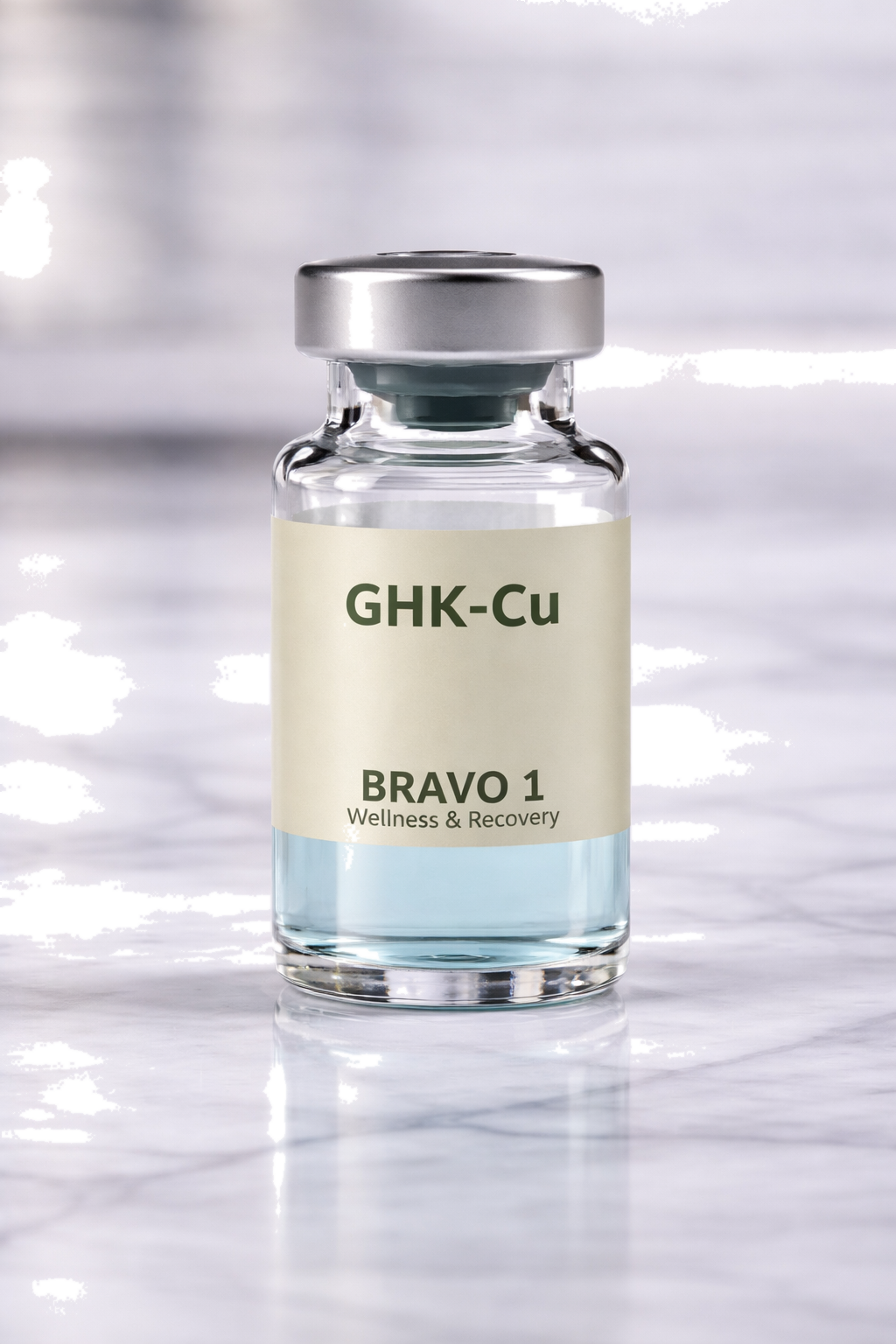
GHK-Cu is a naturally occurring copper peptide that stimulates collagen and elastin synthesis, promotes wound healing, activates antioxidant enzyme systems (superoxide dismutase), and has been extensively studied for skin regeneration and anti-aging effects. Research shows GHK-Cu can positively regulate over 4,000 genes involved in tissue repair, anti-inflammatory pathways, and cellular longevity — adding a final regenerative and protective layer to the KLOW Stack's repair cascade.
BPC-157 initiates recovery by restoring blood supply to injured tissue through angiogenesis and upregulating the growth hormone receptors that amplify healing signals. It is the protocol's vascular and signaling foundation — getting essential resources to the right place, fast. BPC-157 also provides direct gut lining support, synergizing with KPV's intestinal anti-inflammatory effects.
TB-500 drives the structural phase of repair by promoting actin-powered cell migration to injury sites and reducing local inflammatory signaling. It bridges the vascular phase initiated by BPC-157 to the tissue remodeling phase — where damaged structures are replaced with functional tissue. TB-500 is particularly effective at connective tissue repair, acting at a distinct step in the healing cascade.
KPV addresses the inflammatory environment that is the single biggest brake on recovery. By suppressing the NF-κB pathway — a central switch in systemic and gut inflammation — KPV reduces the chronic inflammatory noise that impairs every phase of tissue repair. This makes BPC-157 and TB-500 more effective, reduces pain and swelling, supports gut mucosal integrity, and promotes immune regulation throughout the healing period. KPV is what makes the KLOW Stack materially different from the GLOW or Wolverine stacks.
GHK-Cu adds the final biological dimension: extracellular matrix rebuilding through collagen and elastin synthesis, skin-level regeneration, and antioxidant enzyme activation. Research shows GHK-Cu positively regulates over 4,000 genes, many involved in tissue repair and cellular longevity — ensuring the repair cascade leads to durable, high-quality tissue renewal rather than scar-dominant healing.
BPC-157 restores blood supply and activates growth signaling; TB-500 drives cell migration and structural remodeling; KPV suppresses the inflammatory environment that slows repair; GHK-Cu rebuilds the extracellular matrix and activates antioxidant protection. Each peptide covers a phase the others do not. Together, they address the full recovery cascade — from initial vascularization through inflammation resolution, structural remodeling, and regenerative rebuilding — with no gaps.
The KLOW Stack is administered via subcutaneous injection. Dosage, timing, and protocol duration are determined through the BRAVO1 physician review process based on your individual health profile, goals, and recovery needs. Do not self-administer any peptide protocol without physician oversight.
View certificate of analysis and batch testing for the KLOW Stack.
Start the physician review process for the KLOW Stack. Ships within 48 hours of approval to all 50 states.
Start Physician Review →This website is intended for educational and informational purposes only. Products and services are subject to physician review and approval. Information provided is not medical advice. These statements have not been evaluated by the FDA.