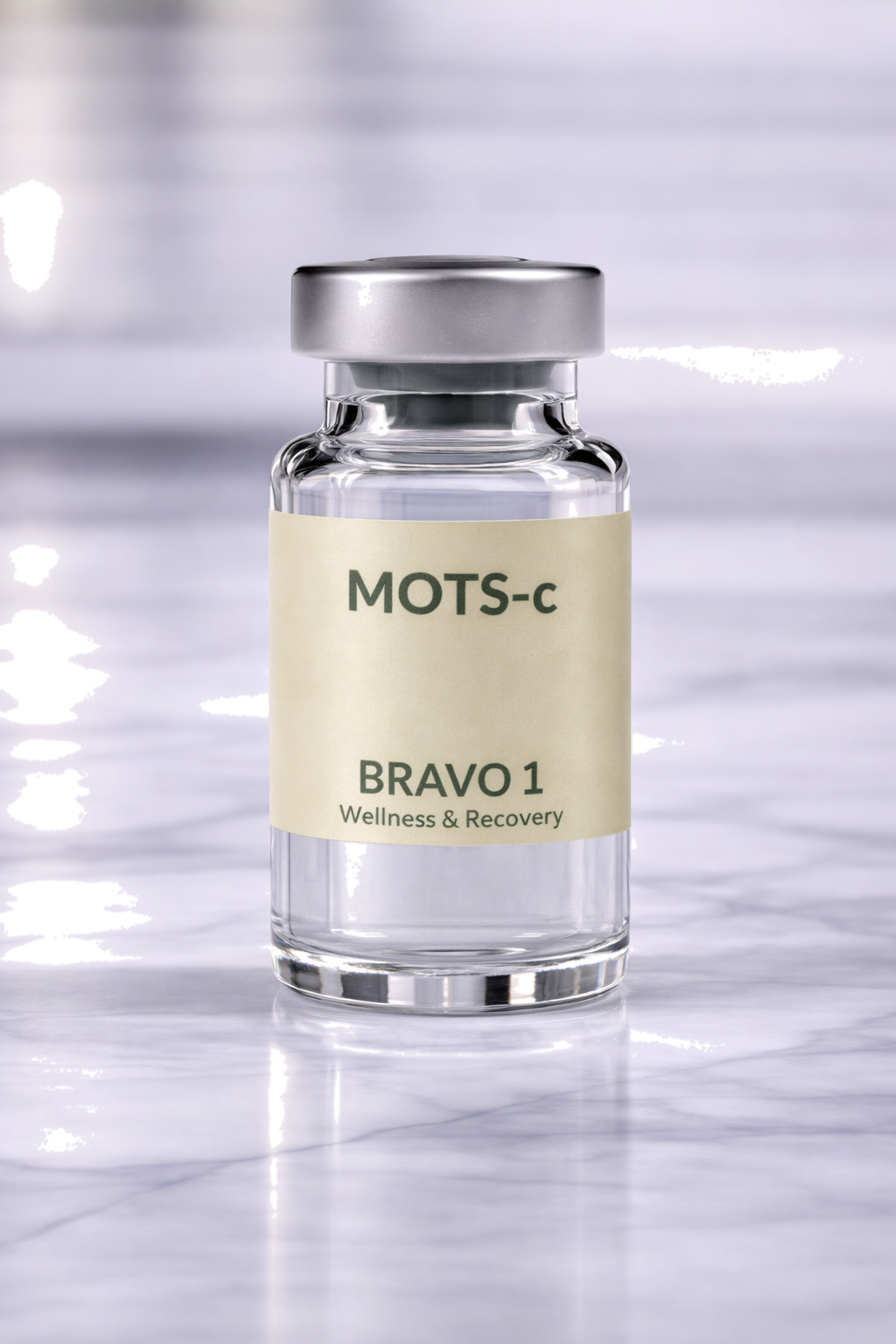
Immune Regulation via Mitochondrial Signaling
MOTS-c plays a direct role in immune homeostasis by modulating the inflammatory response through its effects on mitochondrial function. Mitochondria are central regulators of immune cell activation — they generate the metabolic fuel that powers immune responses and control the release of reactive oxygen species (ROS) that drive inflammation. MOTS-c helps prevent excessive immune activation, promoting balanced immune responses rather than chronic inflammatory states. Research has shown MOTS-c reduces pro-inflammatory cytokines including TNF-α and IL-6 while supporting regulatory immune pathways.
AMPK Activation — The Exercise Mimetic Effect
MOTS-c activates AMPK (AMP-activated protein kinase) — the body's cellular energy sensor, which is normally triggered by exercise, fasting, or caloric restriction. AMPK activation drives glucose uptake, fat oxidation, mitochondrial biogenesis, and cellular cleanup (autophagy). By activating AMPK, MOTS-c produces metabolic and cellular benefits similar to exercise — including improved insulin sensitivity, reduced fat accumulation, and enhanced cellular resilience — without requiring physical exertion. This is particularly significant for those whose metabolic function is compromised by aging, illness, or inactivity.
Metabolic Flexibility and Insulin Sensitivity
Research has shown that MOTS-c improves insulin sensitivity and glucose metabolism through AMPK-dependent and independent pathways. In animal models, MOTS-c administration prevented diet-induced obesity and reversed insulin resistance. It promotes the body's ability to switch between fuel sources — a hallmark of metabolic health — and has been studied for its potential role in type 2 diabetes and metabolic syndrome.
Nuclear Translocation and Gene Regulation
One of MOTS-c's most remarkable properties is its ability to translocate from the cytoplasm to the cell nucleus in response to cellular stress. Once in the nucleus, it acts as a transcription co-activator — directly influencing gene expression related to stress response, antioxidant defense, and metabolic adaptation. This nuclear signaling role makes MOTS-c a true mitochondrial-nuclear communication molecule, not simply a receptor-binding peptide.
Longevity and Anti-Aging
MOTS-c levels decline with age and are elevated in exceptionally long-lived individuals (centenarians) compared to age-matched controls. It has been shown to extend lifespan in animal models and to reverse age-related metabolic decline. Its effects on mitochondrial function, cellular stress response, AMPK activation, and immune regulation position it as one of the most mechanistically grounded longevity peptides currently under research.
Administration
MOTS-c is administered via subcutaneous injection. Dosage, frequency, and protocol duration are determined through the BRAVO1 physician review process based on your individual health profile, immune status, and goals. Do not self-administer any peptide protocol without physician oversight.